
94XP
Training against resistance is what builds muscle and strength: large gains across hundreds of trials, with more weekly sets giving more growth.
Lifting weights, or pushing against bands or your own bodyweight, two to three times a week with effort.
Pairs well withZone 2 Cardio, High-Intensity Intervals, Creatine, Whey Protein, Vitamin K2
How Resistance Training can help, goal by goal, with the studies behind each score.
Training against resistance is what builds muscle and strength: large gains across hundreds of trials, with more weekly sets giving more growth.
In adults aged 50 and over, resistance training added about 1.1 kg of lean mass on average, which helps offset age-related muscle loss.
In adults with type 2 diabetes, resistance training lowered HbA1c, with larger improvements when training produced bigger strength gains.
Standard (dynamic) resistance training modestly lowers resting blood pressure; the largest blood-pressure drops in the literature come from isometric holds (like wall squats), a different, more specialised practice.
Combined aerobic-and-resistance training programmes improve cognitive test scores in older adults and in people with type 2 diabetes, though most direct evidence combines modalities rather than isolating resistance training alone.
In postmenopausal women, resistance training produced large improvements in aerobic fitness and upper- and lower-body strength, with more debate over its effect on bone density specifically.
Lifting weights reduces symptoms of depression in trials, though the studies are small and the best-designed ones show smaller effects.
Land-based therapeutic exercise (a mix including strengthening, aerobic and flexibility work) moderately reduces knee osteoarthritis pain while it's being done, with a smaller but still real benefit 2-6 months after stopping.
Across 16 large cohort studies, people who did muscle-strengthening activity had a 10-17% lower risk of all-cause mortality, cardiovascular disease, total cancer and diabetes, independent of aerobic activity, with the biggest risk reduction at about 30-60 minutes a week.
In older adults, progressive resistance training increased hip/femur bone density, though the lumbar spine showed no significant change and the bone-density result was far less consistent than the strength gains.
Each score is for this protocol and that specific goal, not a general rating.
XP combines how reliable the research is with how much difference it usually makes. Higher means stronger evidence for that protocol and that goal.
Two to three sessions a week with a rest day between hard sessions, at a time of day you can keep.
Two full-body sessions of about 30 minutes a week, using movements you can do safely.
Strength rises within a few weeks. Visible muscle takes about 8–12 weeks. An estimate from the studies' timelines, not a promise: everyone responds differently.
From the first noticeable effect to roughly full strength. Colour follows the XP tier of each benefit.
These gains come from steady use, not a single dose. Keep Resistance Training in your routine for about month 6 before you judge it.
What to know before you try Resistance Training.
Well tolerated
Mild effects, if any.
Check with a doctor first if you have heart disease, uncontrolled high blood pressure, a hernia, or an injury, or you are returning to exercise after a long break.
General information, not medical advice. If you are pregnant, take medication or have a health condition, check with a doctor or pharmacist first.
Supplements and habits that go well with Resistance Training.
Lifting builds muscle; steady cardio builds the aerobic base. Most people need both.

Keep intervals to one to three sessions a week and lift on other days.
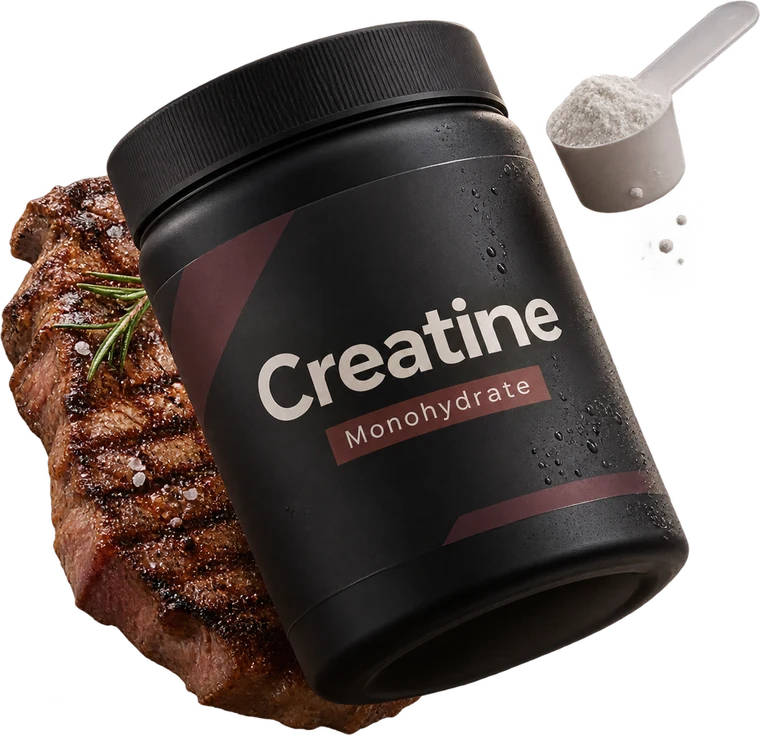
One of the best-studied supplements for strength and muscle gain.
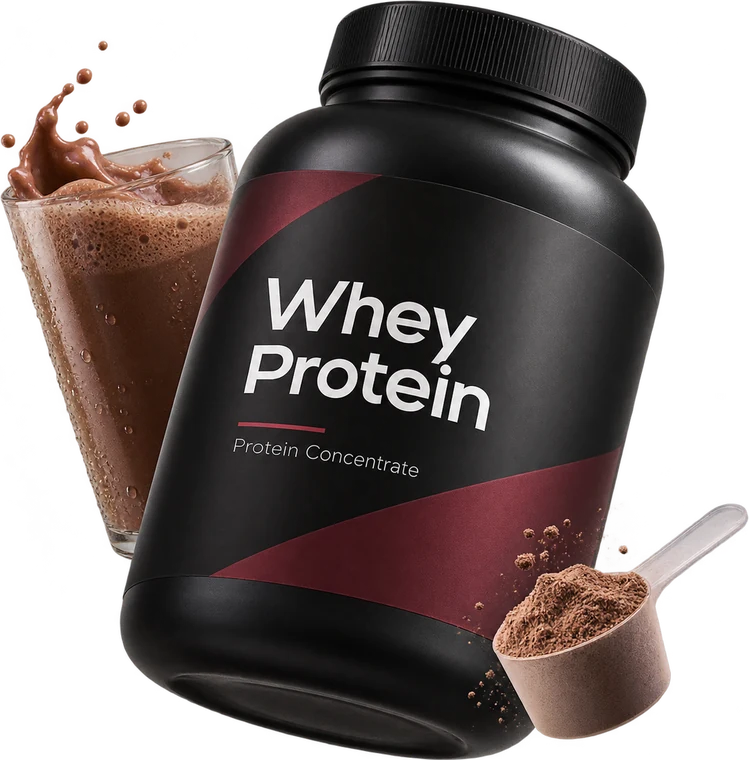
An easy way to reach your daily protein target.
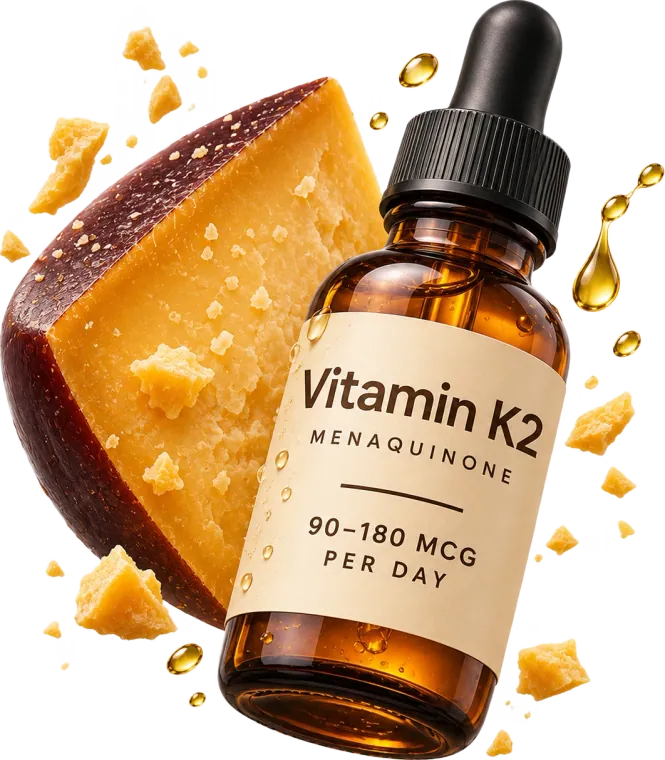
Loading bone through training pairs with vitamin K2's role in directing calcium into bone.
Public figures who practise or recommend Resistance Training. Portraits are AI-generated, not real photos, and this is not an endorsement.
Scientist
RecommendsSourceChoose what you want to improve and see which supplements and protocols have the strongest research behind them.
Open the finder