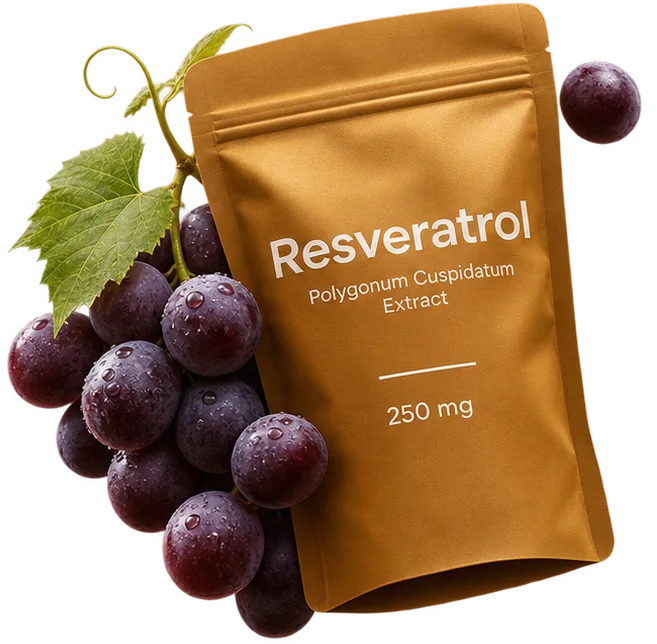
45XP
Lowers long-term blood sugar (HbA1c) in people with type 2 diabetes, though trial quality varies.

Lowers long-term blood sugar (HbA1c) in people with type 2 diabetes, though trial quality varies.
Lowers blood sugar and HbA1c a little in people with type 2 diabetes.

In adults with type 2 diabetes, resistance training lowered HbA1c, with larger improvements when training produced bigger strength gains.

Lowers fasting blood sugar and HbA1c in type 2 diabetes, in trials that are mostly from China and of limited quality.
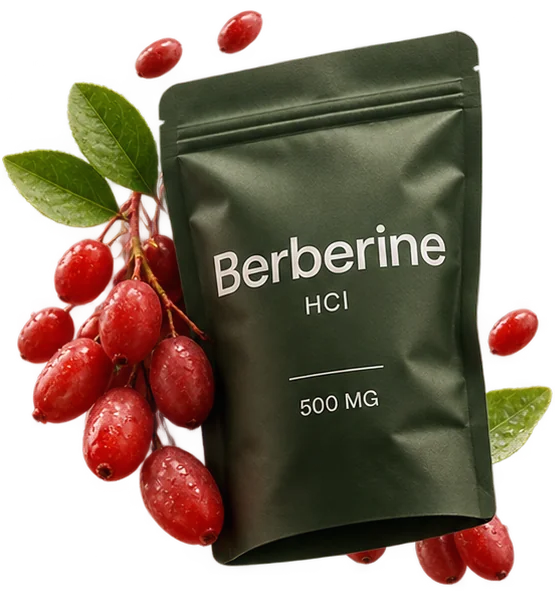
Breaking up long sitting with short bouts of light walking lowered blood sugar and insulin after meals compared with sitting all day, and walking breaks worked better than just standing.

In the PREDIMED randomized trial (n=7,447 at high cardiovascular risk), a Mediterranean diet supplemented with extra-virgin olive oil cut new type 2 diabetes risk by 40% over ~5 years; the nuts-supplemented arm of the same trial showed a smaller, non-significant reduction, suggesting the olive-oil component may be doing much of the work.

Across 29 randomised trials in people with diabetes, low-glycemic-index or -load eating patterns lowered HbA1c by a small amount.
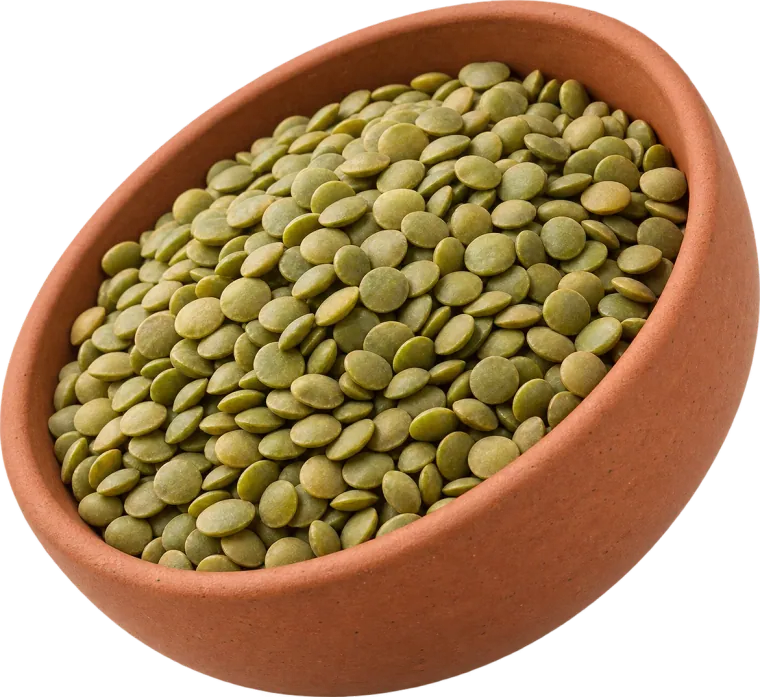
In people with diabetes or prediabetes, higher fibre intake lowered HbA1c by about 0.2 percentage points and fasting glucose by about 0.6 mmol/L.
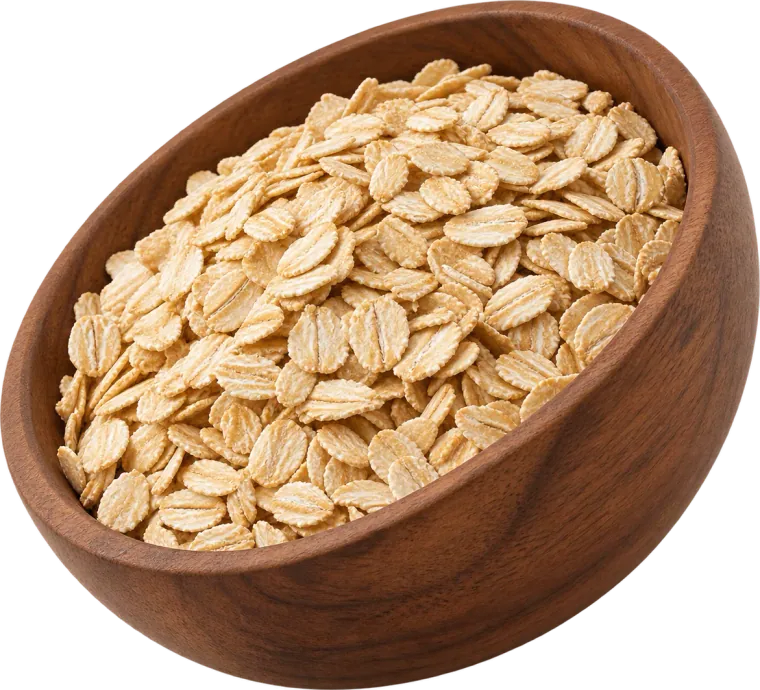
Lowers fasting blood sugar and HbA1c in people with diabetes or prediabetes, in small trials.

Improves fasting blood sugar and insulin sensitivity in people with diabetes or at high risk.

Walking soon after eating lowered the blood sugar rise from that meal compared with staying seated, and worked better than exercising before the meal.

Lowers fasting blood sugar slightly in people with prediabetes or type 2 diabetes.
Small improvements in insulin sensitivity, mostly in women with PCOS.
Lowers fasting blood sugar slightly in people with diabetes.
In people with type 2 diabetes, step-counter programmes added about 2,100 steps a day and lowered HbA1c by about 0.2 points in one pooled analysis, but an earlier one found no change.

Each 10% more of the diet coming from ultra-processed food is linked to a 12% higher risk of developing type 2 diabetes.
Slightly lowers fasting blood sugar in some trials.

A 2026 review of 10 meta-analyses found no reliable effect on blood sugar; some older analyses saw small falls in type 2 diabetes.