
42XP
In people with chronic constipation, added fibre helped 66% of people compared with 41% on placebo, and worked best above 10 g a day for at least four weeks.
Getting 25 to 30 g of fibre a day from whole grains, beans, vegetables, fruit, nuts and seeds.
Pairs well withFiber, Minimally Processed Eating, Mediterranean Diet, Stay Hydrated, Low-Glycemic Eating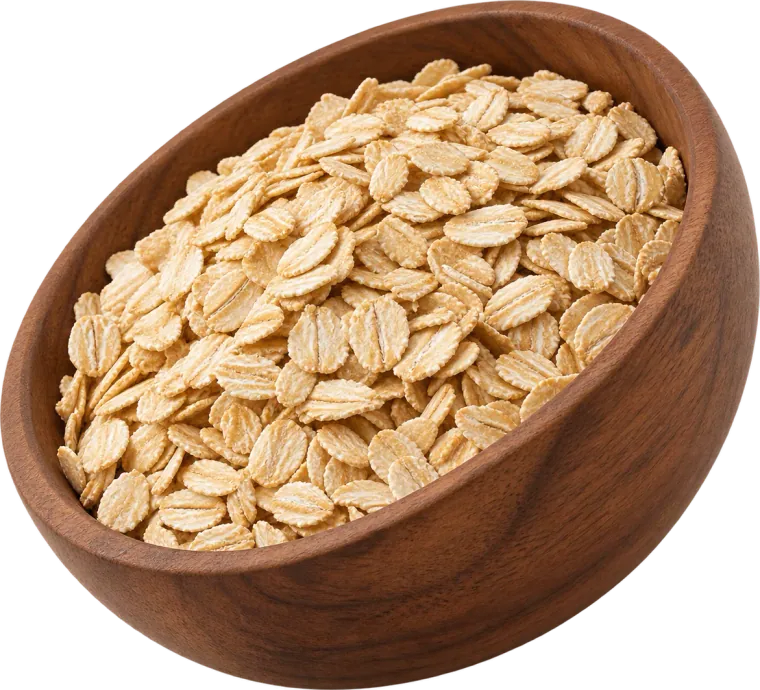
How High-Fibre Eating can help, goal by goal, with the studies behind each score.
In people with chronic constipation, added fibre helped 66% of people compared with 41% on placebo, and worked best above 10 g a day for at least four weeks.
People who eat the most fibre have a 15–30% lower risk of early death, heart disease, stroke and type 2 diabetes than those who eat the least, with the largest benefit at 25–29 g a day.
In adults with high blood pressure, eating more fibre lowered systolic pressure by about 4 mmHg.
In people with diabetes or prediabetes, higher fibre intake lowered HbA1c by about 0.2 percentage points and fasting glucose by about 0.6 mmol/L.
Higher fibre intake lowered LDL cholesterol by about 0.17 mmol/L (roughly 5%) in trials.
Each score is for this protocol and that specific goal, not a general rating.
XP combines how reliable the research is with how much difference it usually makes. Higher means stronger evidence for that protocol and that goal.
Every day, spread over your meals.
One whole-grain swap and one serving of beans, lentils or vegetables added each day.
Bowel habits change within one to four weeks. Blood sugar and cholesterol changes were measured over one to three months. An estimate from the studies' timelines, not a promise: everyone responds differently.
From the first noticeable effect to roughly full strength. Colour follows the XP tier of each benefit.
These gains come from steady use, not a single dose. Keep High-Fibre Eating in your routine for about 1 year before you judge it.
What to know before you try High-Fibre Eating.
Well tolerated
Mild effects, if any.
Check with a doctor first if you have a bowel stricture, Crohn's disease in a flare, gastroparesis, or have been put on a low-fibre diet.
General information, not medical advice. If you are pregnant, take medication or have a health condition, check with a doctor or pharmacist first.
Supplements and habits that go well with High-Fibre Eating.
A supplement can fill the gap if food does not get you to 25–30 g.
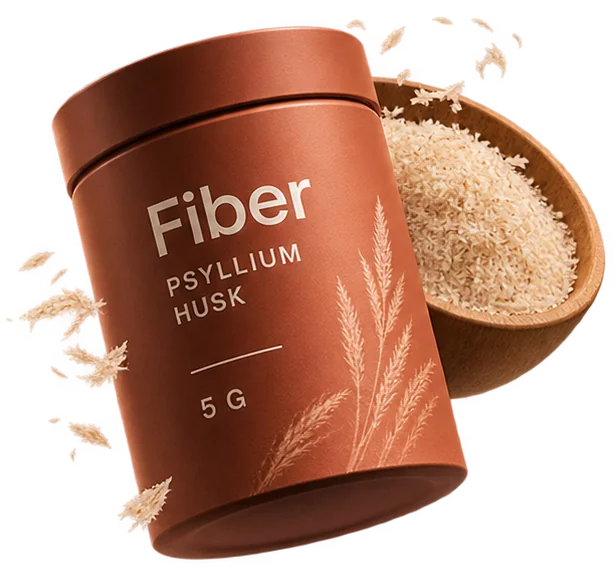
Whole foods are where most fibre comes from.

A Mediterranean pattern is naturally high in fibre.

Fibre works better and causes less bloating with enough fluid.
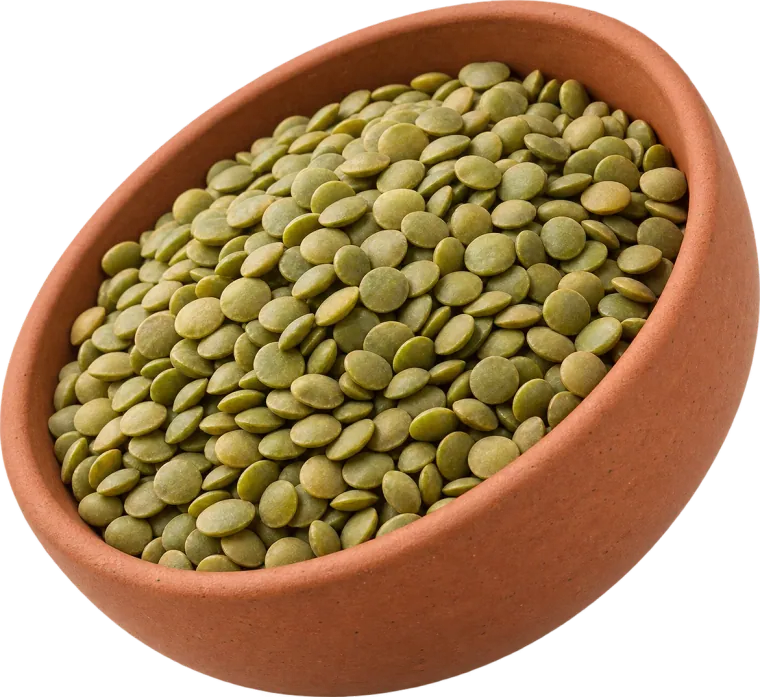
Both slow the rise in blood sugar after meals.
Public figures who practise or recommend High-Fibre Eating. Portraits are AI-generated, not real photos, and this is not an endorsement.

Gastroenterologist
RecommendsSourceChoose what you want to improve and see which supplements and protocols have the strongest research behind them.
Open the finder