
22XP
In a tightly controlled two-week trial, people ate about 500 fewer calories a day on unprocessed food than on ultra-processed food and lost 0.9 kg instead of gaining it.
Making most of what you eat whole or lightly processed food, and keeping packaged ultra-processed products to a small share.
Pairs well withHigh-Fibre Eating, Mediterranean Diet, Low-FODMAP Diet
How Minimally Processed Eating can help, goal by goal, with the studies behind each score.
In a tightly controlled two-week trial, people ate about 500 fewer calories a day on unprocessed food than on ultra-processed food and lost 0.9 kg instead of gaining it.
People who eat the most ultra-processed food have higher rates of heart disease death and type 2 diabetes in long-term studies, though this kind of evidence cannot prove cause.
Each 10% more of the diet coming from ultra-processed food is linked to a 12% higher risk of developing type 2 diabetes.
Each score is for this protocol and that specific goal, not a general rating.
XP combines how reliable the research is with how much difference it usually makes. Higher means stronger evidence for that protocol and that goal.
Every day. Shopping and cooking habits matter more than any single meal.
Replace one packaged snack or drink a day with a whole-food option.
Calorie intake dropped within days in the trials. Weight changes showed within one to two weeks. An estimate from the studies' timelines, not a promise: everyone responds differently.
From the first noticeable effect to roughly full strength. Colour follows the XP tier of each benefit.
These gains come from steady use, not a single dose. Keep Minimally Processed Eating in your routine for about 1 year before you judge it.
What to know before you try Minimally Processed Eating.
Well tolerated
Mild effects, if any.
Check with a doctor first if you have or have had an eating disorder, since strict food rules can make it worse.
General information, not medical advice. If you are pregnant, take medication or have a health condition, check with a doctor or pharmacist first.
Supplements and habits that go well with Minimally Processed Eating.
Whole foods are where most fibre comes from.
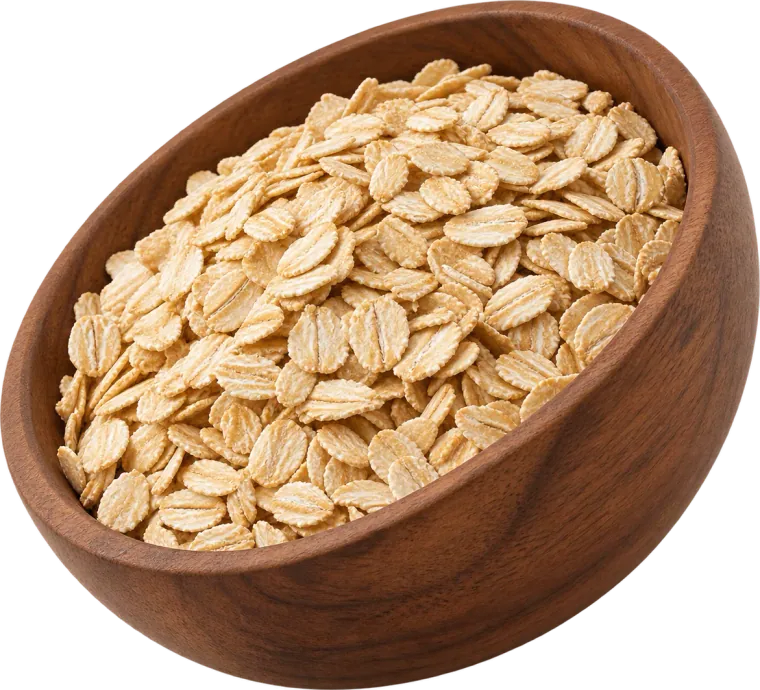
A Mediterranean pattern is built on minimally processed food.

A whole-food base makes it easier to control FODMAP content.
Public figures who practise or recommend Minimally Processed Eating. Portraits are AI-generated, not real photos, and this is not an endorsement.

Author
RecommendsSourceChoose what you want to improve and see which supplements and protocols have the strongest research behind them.
Open the finder