33XP
Lowers blood pressure, with larger drops in people who start with high readings.
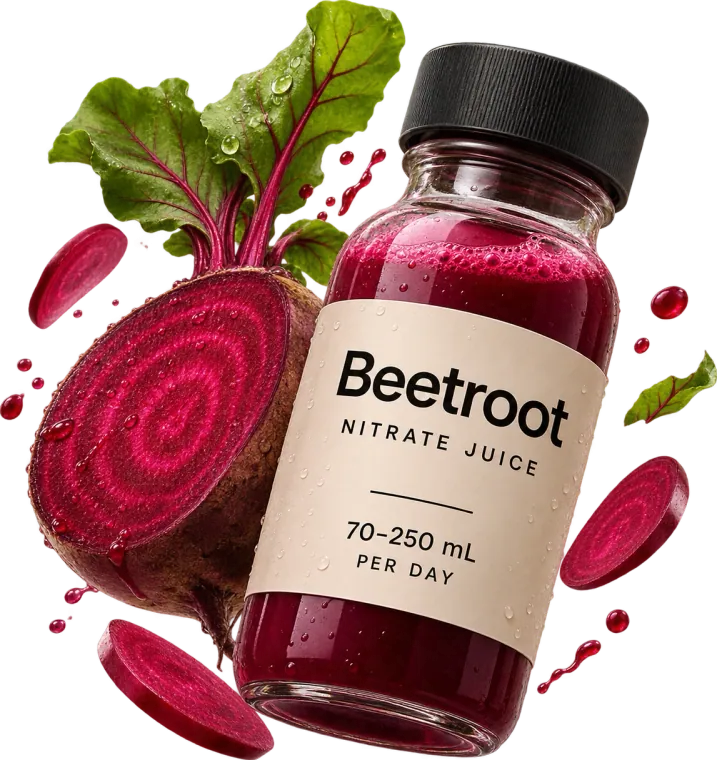
Lowers blood pressure, with larger drops in people who start with high readings.
Across 22 randomised trials, beetroot juice modestly lowered both systolic and diastolic blood pressure, with larger drops in people with hypertension.
Standard (dynamic) resistance training modestly lowers resting blood pressure; the largest blood-pressure drops in the literature come from isometric holds (like wall squats), a different, more specialised practice.
In adults with high blood pressure, eating more fibre lowered systolic pressure by about 4 mmHg.
Lowers blood pressure by about 2 points on average at roughly 370 mg a day.
Lowers blood pressure by a few points in short trials.
Lowers blood pressure slightly, a little more in people with high blood pressure.
In people with raised blood pressure, regular slow breathing lowered systolic pressure by roughly 4–6 mmHg.
A large trial of people at high heart risk found fewer strokes with a Mediterranean diet than a low-fat diet (about 14 vs 24 per 1,000), and Cochrane found small blood pressure drops of about 3/2 mmHg.
Lowers blood pressure by a few points, with larger effects at high flavanol doses.
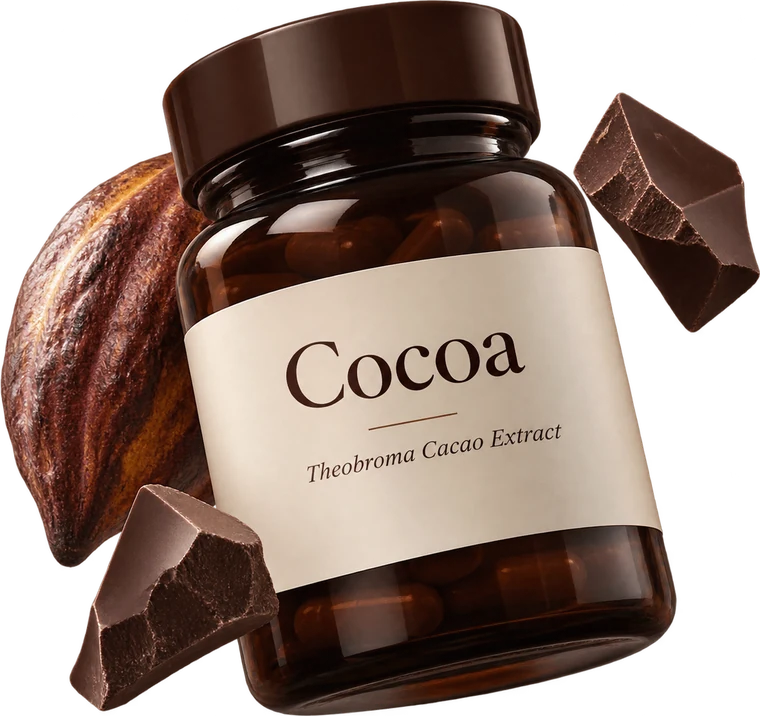
Lowers blood pressure by about 1 point in trials.
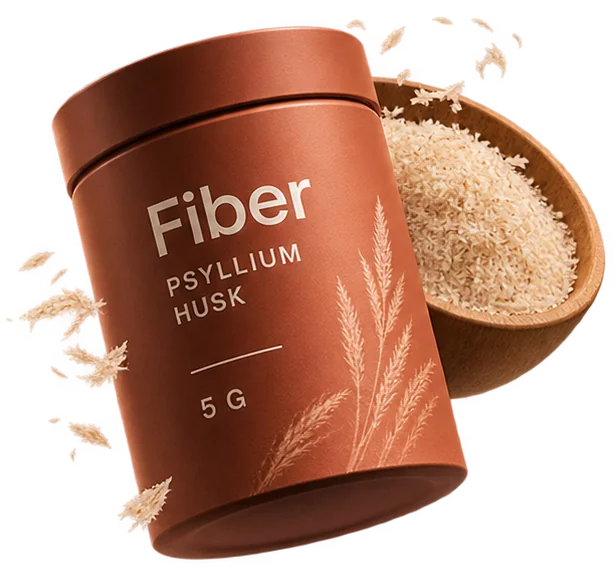
Very small effect on blood pressure.
Walking programmes lowered systolic and diastolic blood pressure slightly in inactive adults, although workplace step-counter programmes showed no effect.
May lower blood pressure a little, mostly in small trials of people with raised readings.
In one eight-week trial, adding a 15-minute sauna after exercise lowered systolic blood pressure by 8 mmHg more than exercise alone, and blood pressure drops for a short time after any sauna session.
No clear effect on blood pressure in most analyses.
Irregular sleep timing goes with higher blood pressure and more cardiovascular events in studies, but this shows a link, not cause.