
39XP
Mindfulness programs modestly reduce anxiety across 47 trials, though most tested 8-week courses with a teacher rather than self-directed practice.
Sitting quietly and paying attention to your breath or body, then gently coming back each time the mind wanders. About 10–20 minutes a day.
Pairs well withNSDR, Physiological Sighing, Ashwagandha, Resonance Breathing, Expressive Writing
How Mindfulness Meditation can help, goal by goal, with the studies behind each score.
Mindfulness programs modestly reduce anxiety across 47 trials, though most tested 8-week courses with a teacher rather than self-directed practice.
Mindfulness programs modestly reduce depression symptoms, with an effect a little smaller than for anxiety.
Improved insomnia scores in six small trials, though a larger review found too little evidence to be sure.
The main review found low or insufficient evidence that mindfulness programs improve attention.
Each score is for this protocol and that specific goal, not a general rating.
XP combines how reliable the research is with how much difference it usually makes. Higher means stronger evidence for that protocol and that goal.
Once a day at a time you can protect, sitting somewhere quiet.
Five minutes a day with a free guided recording.
Many people feel calmer within days. The trial results were measured after about 8 weeks. An estimate from the studies' timelines, not a promise: everyone responds differently.
From the first noticeable effect to roughly full strength. Colour follows the XP tier of each benefit.
These gains come from steady use, not a single dose. Keep Mindfulness Meditation in your routine for about week 8 before you judge it.
What to know before you try Mindfulness Meditation.
Well tolerated
Mild effects, if any.
Check with a doctor first if you have a history of trauma, psychosis, or severe depression, since quiet inward practice can sometimes bring up difficult feelings.
General information, not medical advice. If you are pregnant, take medication or have a health condition, check with a doctor or pharmacist first.
Supplements and habits that go well with Mindfulness Meditation.
Both train calm attention; NSDR is lying down, mindfulness is sitting.
A few sighs first can settle you enough to sit and focus.

Both are used for stress.
A few minutes of slow breathing makes it easier to settle into meditation.

Writing gets thoughts out; meditation trains you to let them pass.
Public figures who practise or recommend Mindfulness Meditation. Portraits are AI-generated, not real photos, and this is not an endorsement.
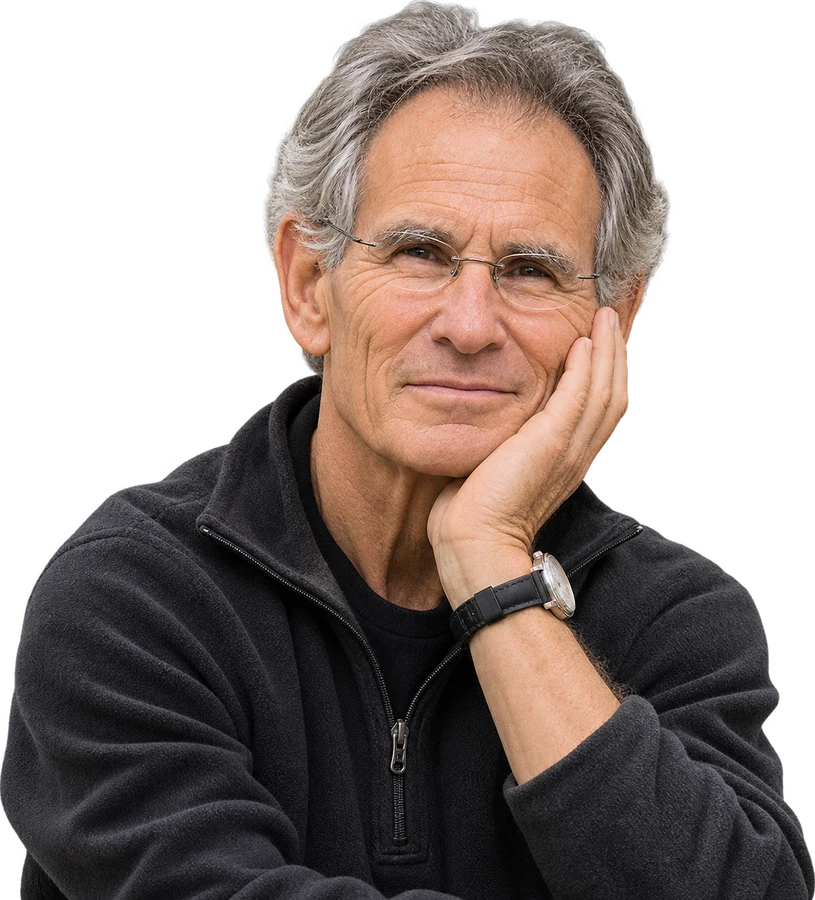
Scientist
RecommendsSourceChoose what you want to improve and see which supplements and protocols have the strongest research behind them.
Open the finder