
13XP
In one randomised study, five minutes a day of cyclic sighing for a month improved mood and slowed breathing more than mindfulness meditation did.
Studies1
Two quick breaths in through the nose, then one long slow breath out through the mouth, repeated for about five minutes. Also called cyclic sighing.
Pairs well withMindfulness Meditation, L-Theanine, Resonance Breathing
How Physiological Sighing can help, goal by goal, with the studies behind each score.
In one randomised study, five minutes a day of cyclic sighing for a month improved mood and slowed breathing more than mindfulness meditation did.
Each score is for this protocol and that specific goal, not a general rating.
XP combines how reliable the research is with how much difference it usually makes. Higher means stronger evidence for that protocol and that goal.
When you feel stressed, or for five minutes at a set time each day.
Three to five rounds whenever you feel tension building.
You may feel calmer within a few minutes. The study measured effects after a month of daily practice. An estimate from the studies' timelines, not a promise: everyone responds differently.
From the first noticeable effect to roughly full strength. Colour follows the XP tier of each benefit.
These gains come from steady use, not a single dose. Keep Physiological Sighing in your routine for about week 4 before you judge it.
What to know before you try Physiological Sighing.
Well tolerated
Mild effects, if any.
Check with a doctor first if you have asthma, COPD, a heart condition or panic disorder, or feel dizzy when you breathe deeply.
General information, not medical advice. If you are pregnant, take medication or have a health condition, check with a doctor or pharmacist first.
Supplements and habits that go well with Physiological Sighing.
A few sighs first can settle you enough to sit and focus.
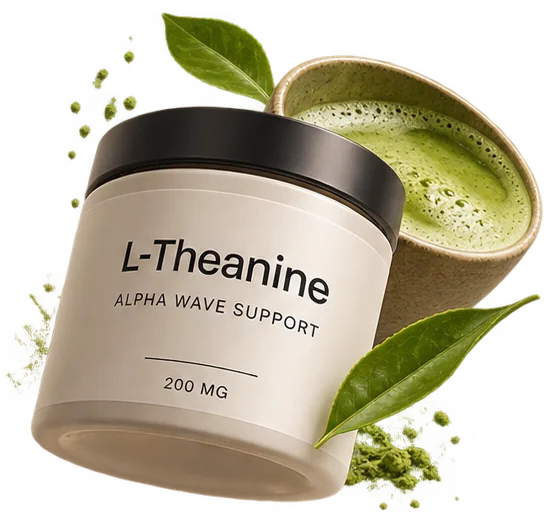
Both are used to take the edge off stress.
Sighing is the quick reset; slow breathing is the daily practice.

Public figures who practise or recommend Physiological Sighing. Portraits are AI-generated, not real photos, and this is not an endorsement.
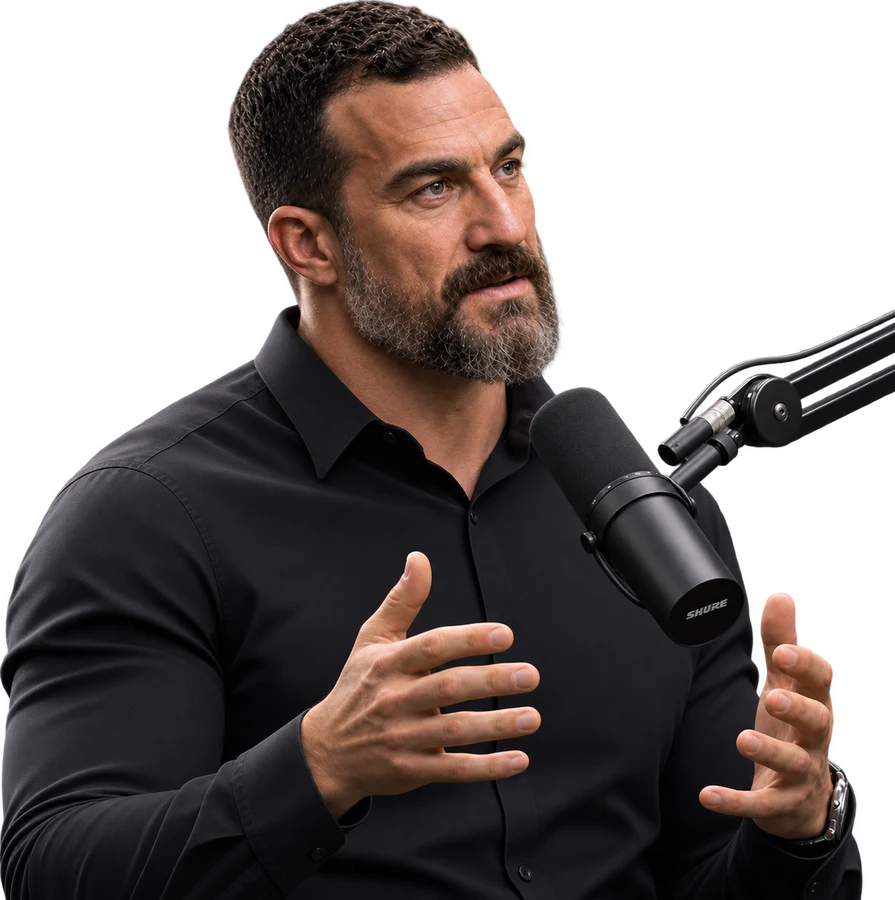
Neuroscientist
PractisesSourceChoose what you want to improve and see which supplements and protocols have the strongest research behind them.
Open the finder