33XP
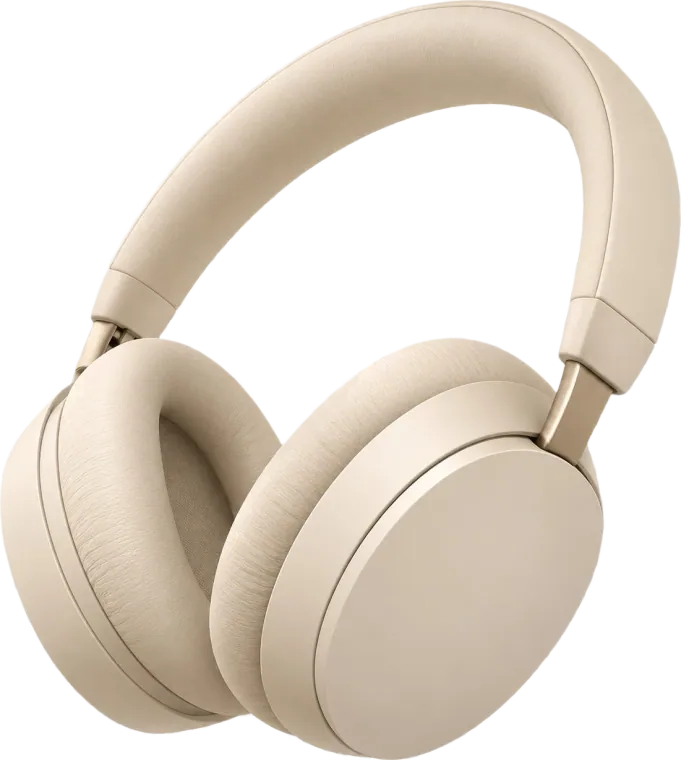
Leads to moderate improvements in sleep quality, with smaller effects on how fast you fall asleep.
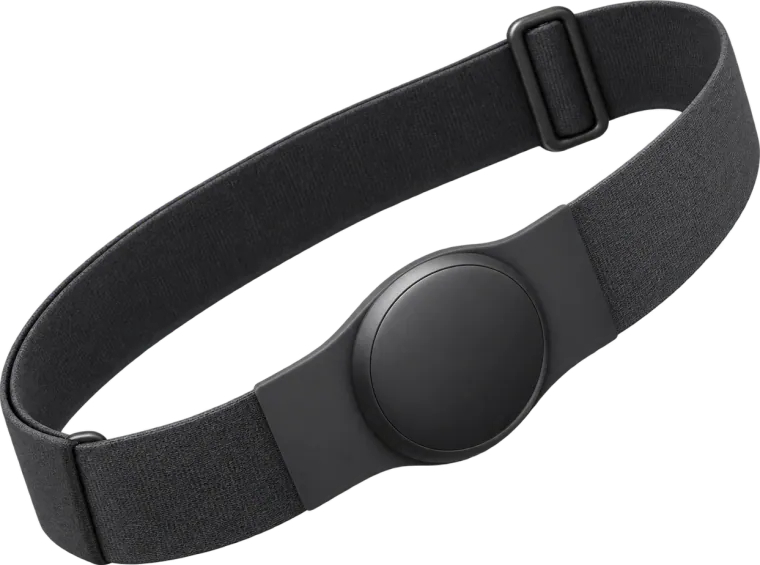
Leads to moderate improvements in sleep quality, with smaller effects on how fast you fall asleep.
Caffeine cut total sleep by 45 minutes and deep sleep by 11 minutes on average across 24 studies, and a cup of coffee needed to be at least 8.8 hours before bedtime to avoid losing sleep.

Improves sleep onset and sleep quality, mainly in stressed adults and people with insomnia.

Helps you fall asleep a few minutes faster; the effect is modest and works best when timed well.
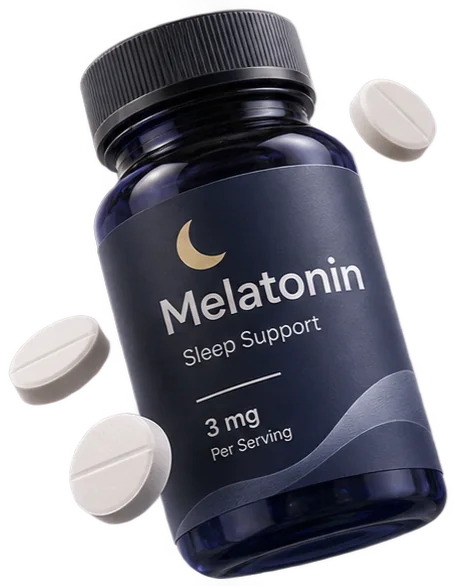
Improved insomnia scores in six small trials, though a larger review found too little evidence to be sure.
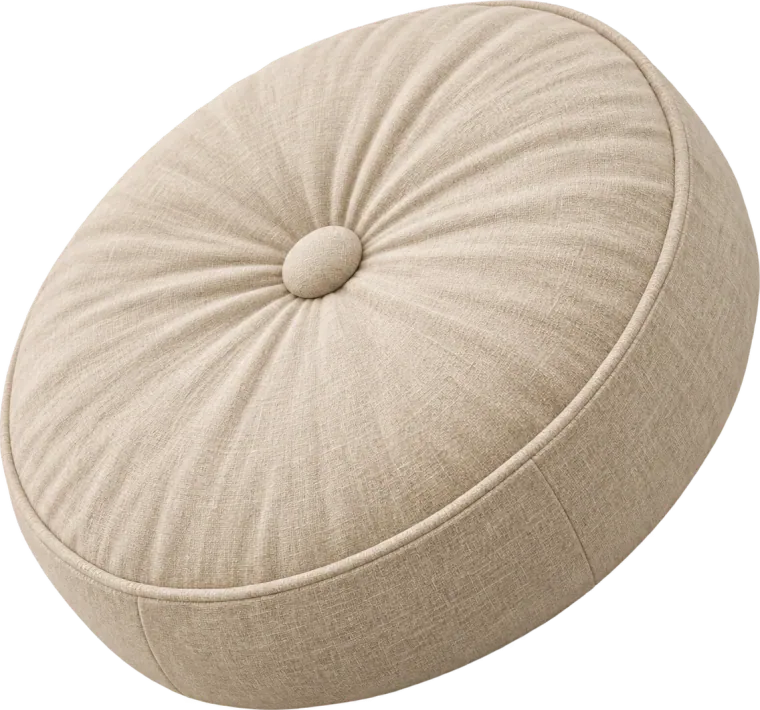
Helps set your body clock so you feel sleepy at the right time, though the evidence comes from small studies.

Improves sleep quality scores, with about 100 mg a day working best in trials.
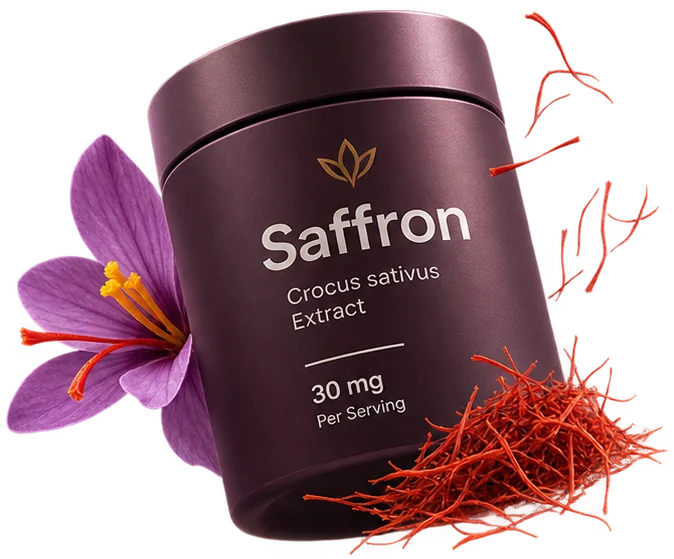
Dim evening light protects your natural melatonin rise, while bright rooms and screens delay it.
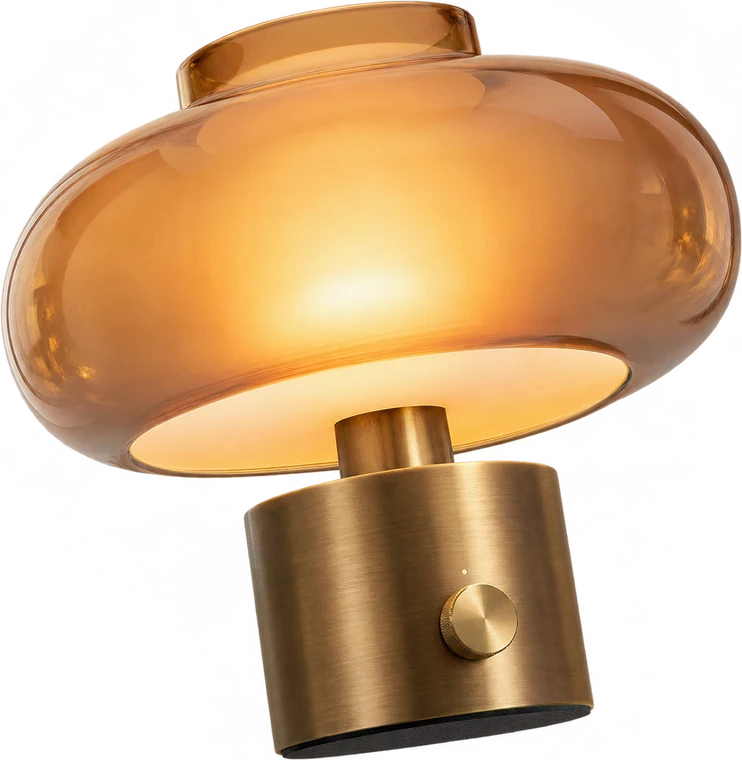
Slightly better sleep scores in pooled trials (about half a point on a 21-point scale).

A warm shower or bath (40–42.5°C) one to two hours before bed improved self-rated sleep quality and sleep efficiency and shortened the time to fall asleep in a pooled analysis of 13 studies.

Slightly better sleep quality in a few small trials.
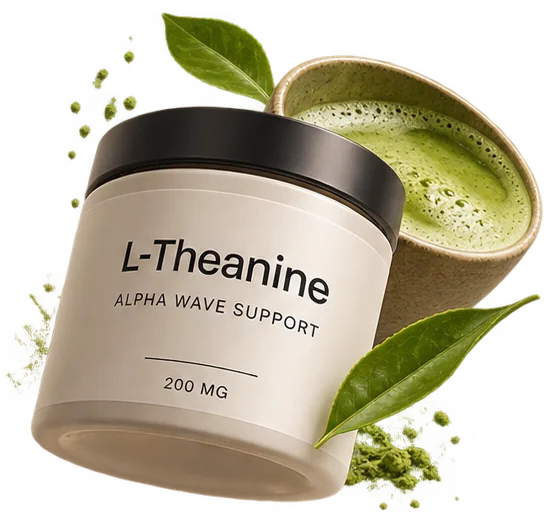
A systematic review of sleep timing and consistency across 41 studies (92,340 adults) found regular bed/wake times favourably associated with health; a smaller study found sleep-regularity scores correlated with validated sleep-quality questionnaire scores.

Inhaled lavender improved sleep scores in small trials that could not be blinded.
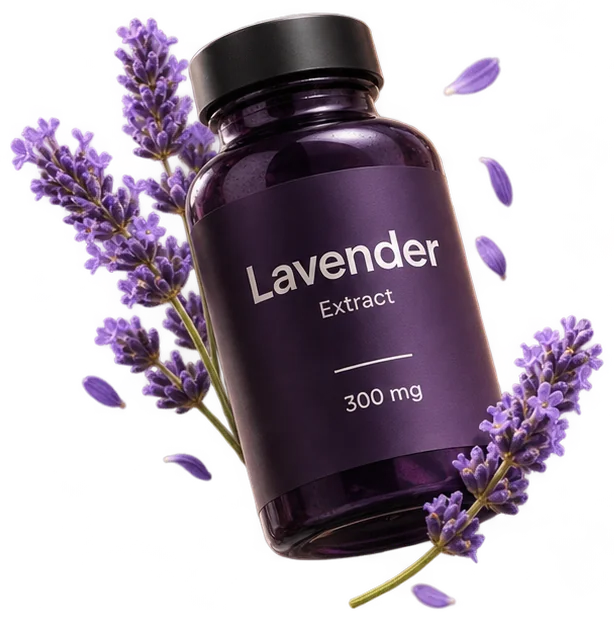
May shorten the time it takes to fall asleep in older adults with insomnia, from a few small trials.

May help sleep in people with insomnia, but pooled results are not yet statistically significant.