
28XP
Bright light lowers depression symptoms in trials, though most tested light boxes rather than morning sunlight.
Getting outside in daylight soon after waking, to help set your body clock for the day and night ahead.
Pairs well withDim Lights, Zone 2 Cardio, Caffeine, Vitamin D, Consistent Sleep Schedule
How Morning Sunlight can help, goal by goal, with the studies behind each score.
Bright light lowers depression symptoms in trials, though most tested light boxes rather than morning sunlight.
Helps set your body clock so you feel sleepy at the right time, though the evidence comes from small studies.
Bright daytime light leaves people more alert and quicker on simple tasks, with weaker effects on complex tasks.
Each score is for this protocol and that specific goal, not a general rating.
XP combines how reliable the research is with how much difference it usually makes. Higher means stronger evidence for that protocol and that goal.
Within the first hour or two after you wake up, outdoors.
Drink your morning coffee on the doorstep or balcony for five minutes.
Alertness can lift the same day. Sleep timing takes a week or two. An estimate from the studies' timelines, not a promise: everyone responds differently.
From the first noticeable effect to roughly full strength. Colour follows the XP tier of each benefit.
These gains come from steady use, not a single dose. Keep Morning Sunlight in your routine for about week 4 before you judge it.
What to know before you try Morning Sunlight.
Well tolerated
Mild effects, if any.
Check with a doctor first if you have an eye condition, take medicines that make you sensitive to sunlight, or have had skin cancer.
General information, not medical advice. If you are pregnant, take medication or have a health condition, check with a doctor or pharmacist first.
Supplements and habits that go well with Morning Sunlight.
Bright mornings and dim evenings work together to anchor your body clock.
A morning session outdoors gets you cardio and daylight in one go.
Get daylight first, then your coffee: both raise alertness.

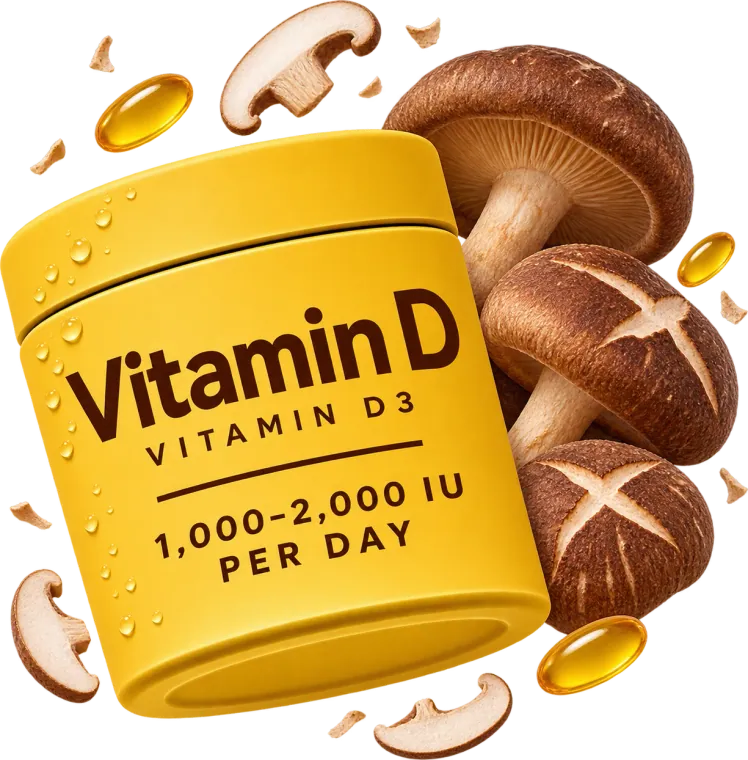
Sun on your skin helps you make vitamin D. A supplement fills the gap in winter.
Daylight soon after waking locks your wake time in and makes the schedule easier.
Public figures who practise or recommend Morning Sunlight. Portraits are AI-generated, not real photos, and this is not an endorsement.

Entrepreneur
PractisesSource
Neuroscientist
PractisesSourceChoose what you want to improve and see which supplements and protocols have the strongest research behind them.
Open the finder