10XP
Lowers infection deaths in children who are deficient; little evidence of benefit for healthy adults.
Vitamin A is a fat-soluble vitamin found in liver, dairy, and orange-colored vegetables.
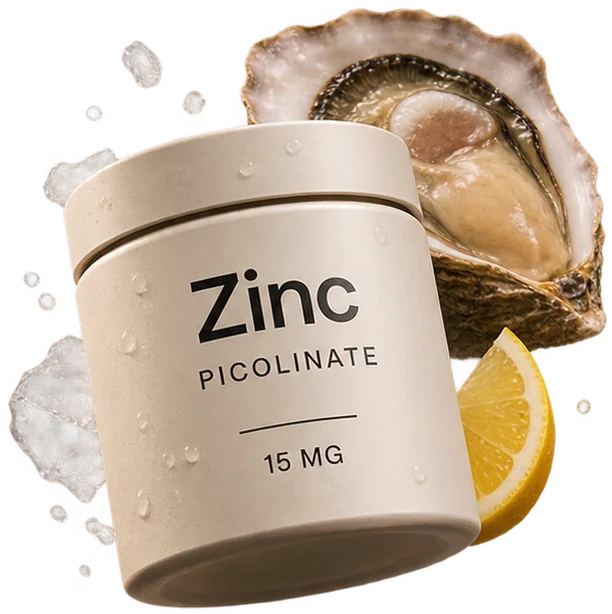
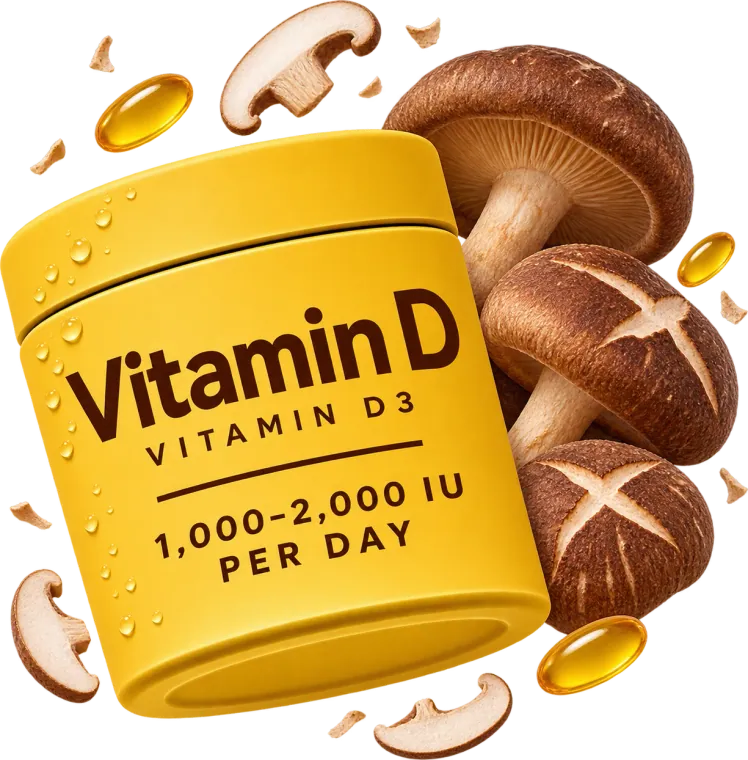
Often taken withZinc, Vitamin D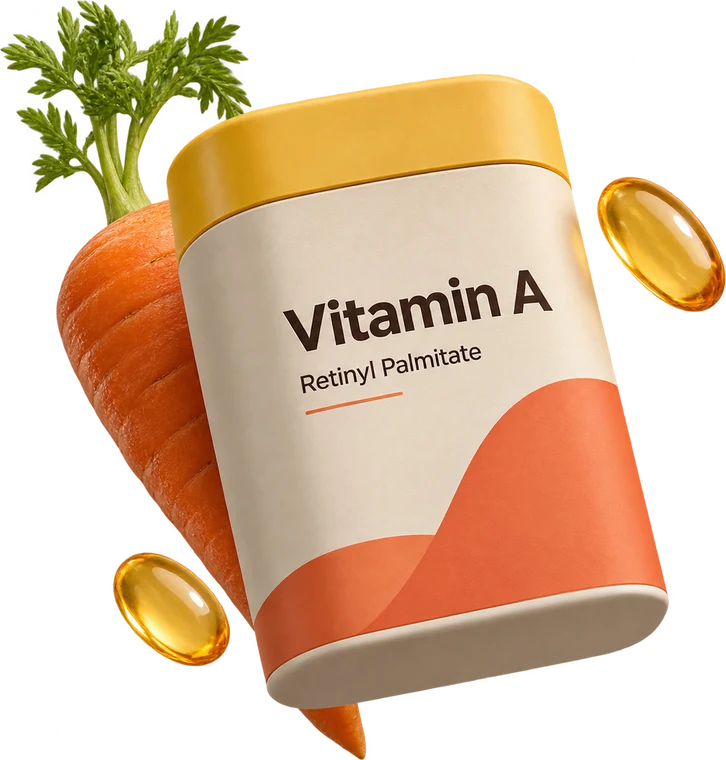
How Vitamin A can help, goal by goal, with the studies behind each score.
Lowers infection deaths in children who are deficient; little evidence of benefit for healthy adults.
Each score is for this supplement and that specific goal, not a general rating.
XP combines how reliable the research is with how much difference it usually makes. Higher means stronger evidence for that supplement and that goal.
What studies commonly use for Vitamin A, and how it is usually taken.
700–900 mcg RAE per day
700–900 mcg RAE/day (2,300–3,000 IU/day) for RDA nutritional maintenance
700–1,500 mcg RAE/day (UL for preformed vitamin A is 3,000 mcg RAE / 10,000 IU/day)
Immune Resilience comes first (week 4 → month 3); Immune Resilience takes longest (week 4 → month 3). An estimate from the studies' timelines, not a promise: everyone responds differently.
From the first noticeable effect to roughly full strength. Colour follows the XP tier of each benefit.
These gains come from steady use, not a single dose. Keep Vitamin A in your routine for about month 3 before you judge it.
What to know before you take Vitamin A.
Check first
Serious risks are possible.
General information, not medical advice. If you are pregnant, take medication or have a health condition, check with a doctor or pharmacist first.
Supplements and habits often combined with Vitamin A.
Choose what you want to improve and see which supplements and protocols have the strongest research behind them.
Open the finder